Call us now
Request a fast quote
Call us now
Request a fast quote
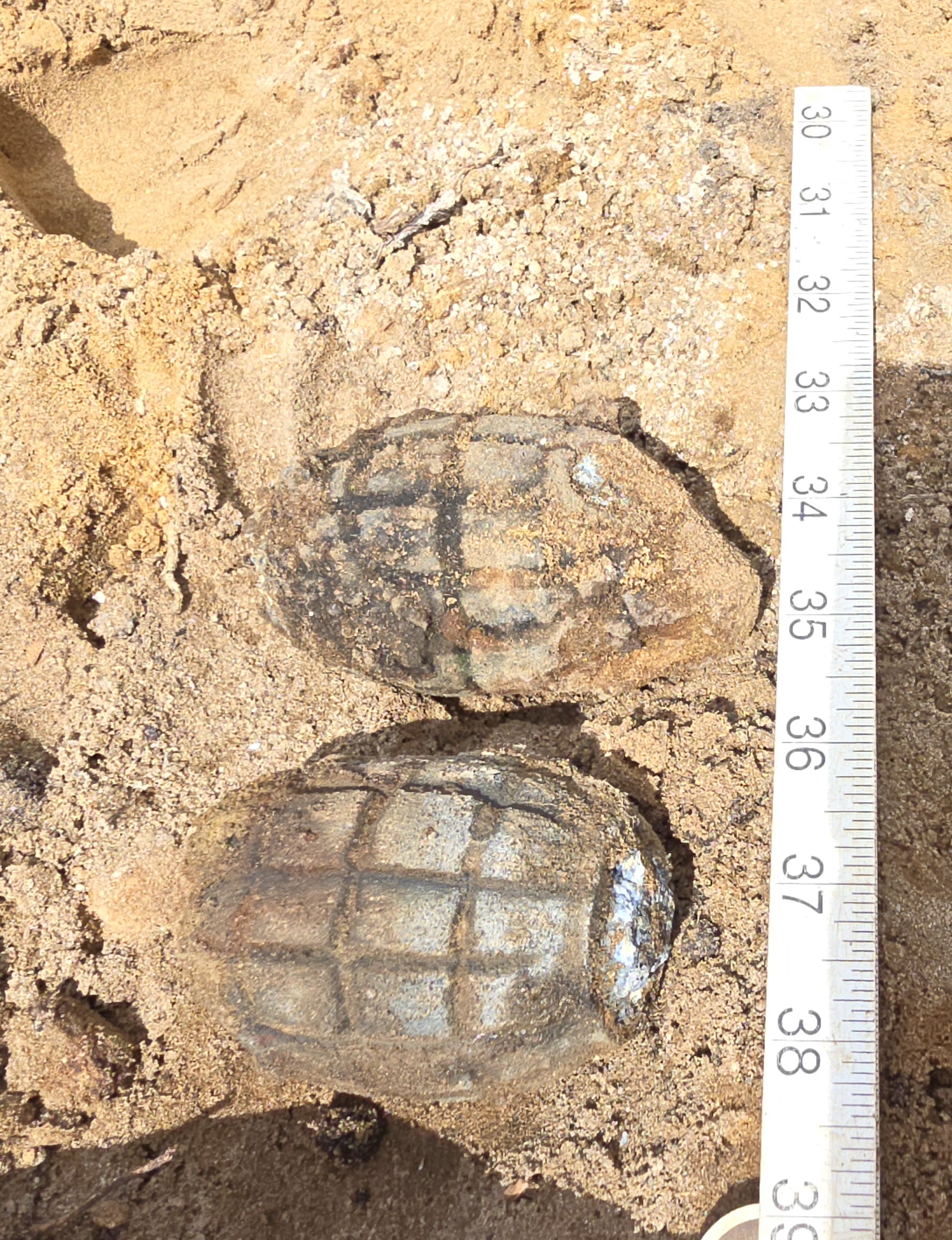
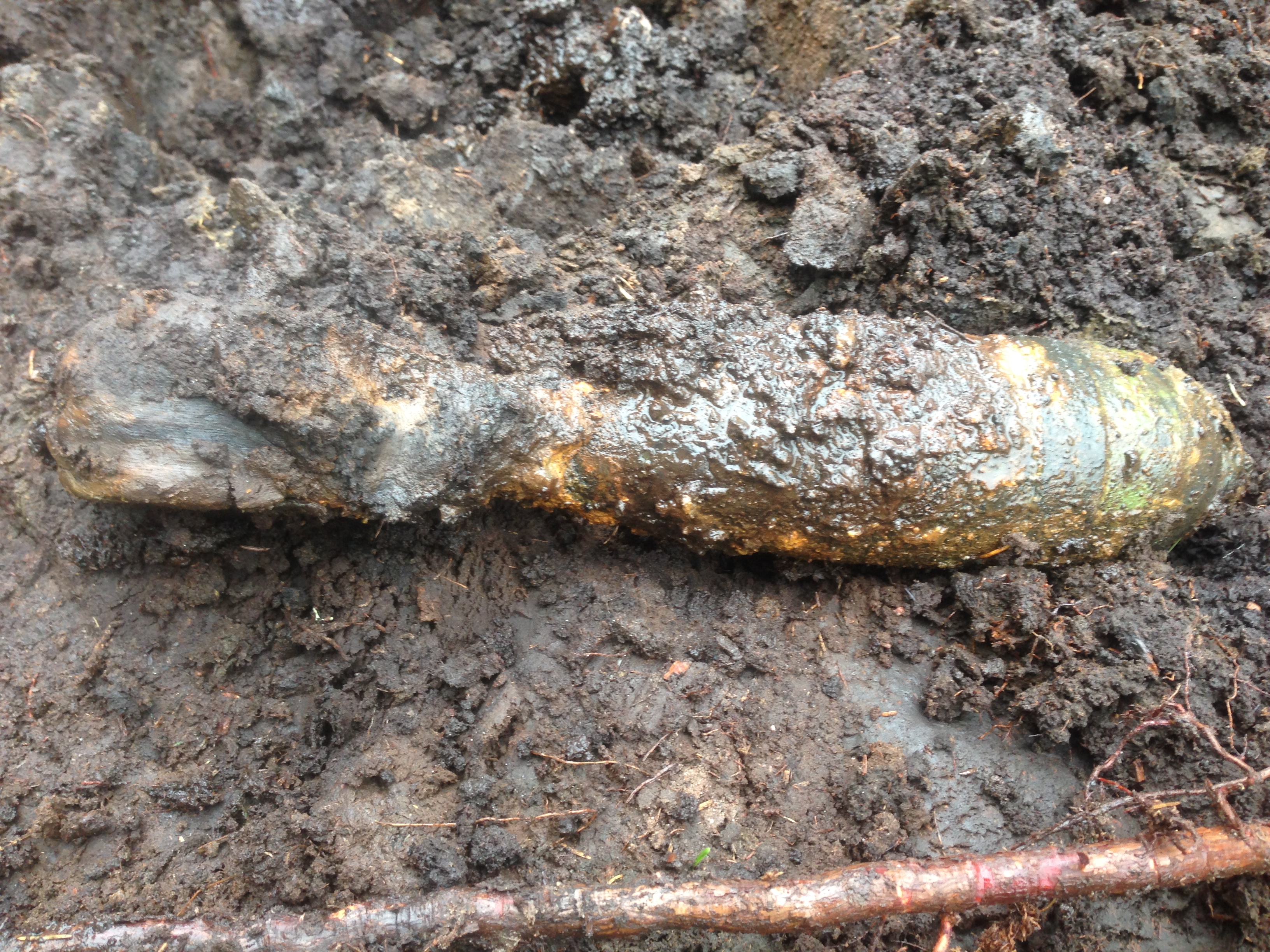
UXO stands for unexploded ordnance. The term covers military ammunition and explosive items that were prepared for use but failed to function as intended, as well as items that were abandoned, lost or improperly disposed of. UXO can include air-dropped bombs, artillery projectiles, mortar bombs, grenades, rockets, small-arms ammunition and other explosive ordnance. Although an item may have remained buried for decades, its condition cannot be judged by appearance. Corrosion and deterioration can make historic ordnance unpredictable. Any suspicious object must therefore be treated seriously and should never be touched or disturbed.
UXO risk in the UK is not limited to German air-dropped bombs from the Second World War. British and Allied military activity has also left a potential legacy on many sites.

Unexploded bombs and incendiary devices may remain in areas affected by historic air raids.

Former military and civilian airfields may contain practice ammunition, aircraft weapons and other ordnance.

Military training areas and firing ranges may contain ammunition that failed to function or was left behind.

Historic defensive positions may be associated with mines, demolition charges, ammunition and other explosive items.

Military aircraft crash sites may contain ammunition, aircraft weapons, explosive and pyrotechnic devices.

Former storage sites and disposal areas may contain buried, abandoned or discarded military ordnance.

Former and active military bases may contain ammunition, pyrotechnics and other explosive ordnance associated with training, storage, maintenance and historic disposal activities.

Former Home Guard training and defensive positions may be associated with small-arms ammunition, grenades, mortar bombs, demolition charges and locally buried or abandoned ordnance.
Ground disturbance can move, strike or expose an item that has remained buried for many years.
Excavation and earthmoving can bring buried UXO closer to the surface.
Impact, pressure or vibration from construction activity can disturb an unidentified item.
UXO may be uncovered during routine excavation, piling, drilling or service installation.
KNOW
MANAGE
MITIGATE
KEEPING PROJECTS ON TRACK AND PEOPLE SAFE

Stop all work in the affected area immediately.

The UXOS engineer will clear the area and establish a safe cordon.

The on-site UXOS EOD engineer will determine whether the item could present an explosive-ordnance risk.

Where necessary, UXOS will assist with notifying the site manager, police and military EOD authorities and provide the relevant site documentation.
UXOS provides practical, risk-based support to help construction and infrastructure projects manage potential UXO hazards safely and proportionately.
Qualified EOD monitoring during excavation and groundworks.
UXO clearance support for boreholes, piling and deeper intrusive work.